Finding foolproof daily tech updates for adults with hearing loss should never feel like solving a broken puzzle before breakfast. Missing a doorbell chime or struggling through a muffled phone call drains your energy fast. Small adjustments to your everyday gear restore total clarity and peace of mind. When your gadgets talk directly to your ears, life instantly feels lighter, safer, and noticeably easier.
Set Up Foolproof Daily Tech Updates for Adults with Hearing Loss on Your Smartphone
Grab your phone right now and open the accessibility menu. Most modern smartphones carry hidden audio processing engines that audiology clinics rarely mention. Both Apple iOS and Android OS let you pair hearing aids directly using protocols like MFi or ASHA. You can also import a photo of your recent audiogram into Apple Health or Android Sound Amplifier. This automatically balances system frequencies to match your personal hearing curve. Calls, podcasts, and streaming video audio instantly route through a custom audiogram profile without blasting the external speakers. When background noise creeps into phone calls, turn on Voice Isolation to silence ambient restaurant clatter for the person on the other end. If you run into occasional connectivity drops, a quick toggle of airplane mode usually fixes the handshake. Applying foolproof daily tech updates for adults with hearing loss across your daily software keeps your mobile devices operating as reliable personal amplifiers.
Route Television Audio Straight into Your Ears
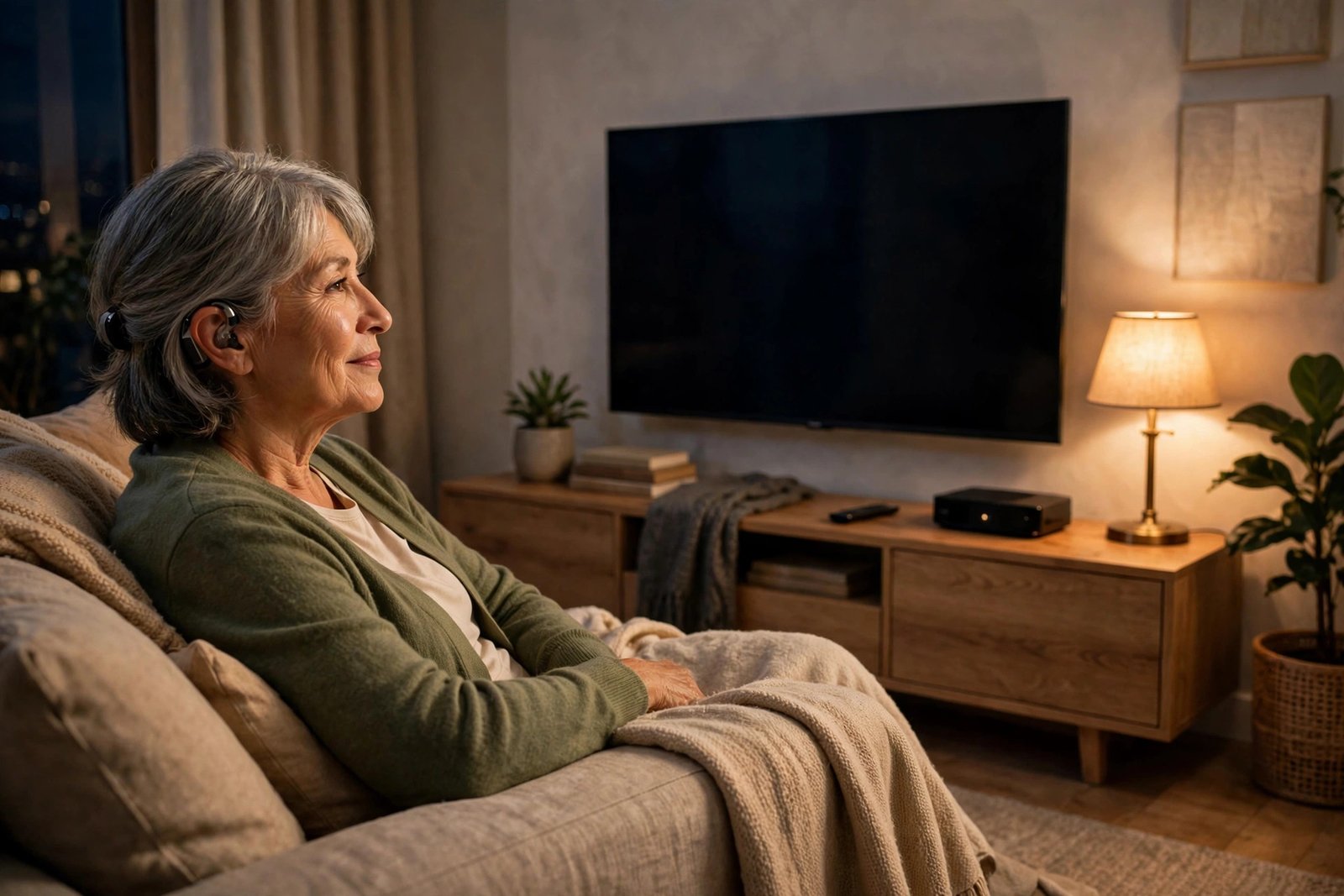
Blasting the living room television until the floorboards vibrate helps nobody. Dedicated TV streamer boxes from brands like Phonak, Oticon, or Starkey plug straight into the optical audio port behind your television. These small hubs beam crisp, latency-free stereo audio directly into paired hearing aids or wireless headphones. Family members can keep the main television volume at normal levels, while you adjust your own feed independently through a smartphone slider. Soundbars with a dedicated speech enhancement mode like the ZVOX AccuVoice also lift dialogue above muddy background music and chaotic sound effects. These systems isolate high-frequency consonant sounds like S, F, and T, which often get lost in standard speaker mixes. I spent years rewinding shows to catch missed dialogue before adding a dedicated transmitter to my setup. Now, dialogue stays centered and clear even during intense movie action scenes.
Turn Everyday Sound Alerts into Clear Visual Flashes
Missing a courier knock or a whistling kettle happens constantly when your high-frequency hearing dips. Modern smart home ecosystems easily solve this dilemma by turning audio cues into bright visual notifications. Apple and Android devices feature built-in sound recognition that listens for smoke alarms, running water, sirens, and doorbells. Once triggered, the phone delivers a distinct vibration sequence and strobes the camera flash. You can connect these triggers to smart light bulbs from Philips Hue or LIFX through platforms like Amazon Alexa or Apple Home. Setting your living room lamps to pulse soft amber when someone rings your Ring doorbell ensures you never miss a package. Relying on visual alerts takes away the constant stress of scanning rooms for noises you might have missed. It transforms your living space into an intuitive, responsive environment that actively works with your senses.
Switch on Live Speech Captions for Every Call and Video
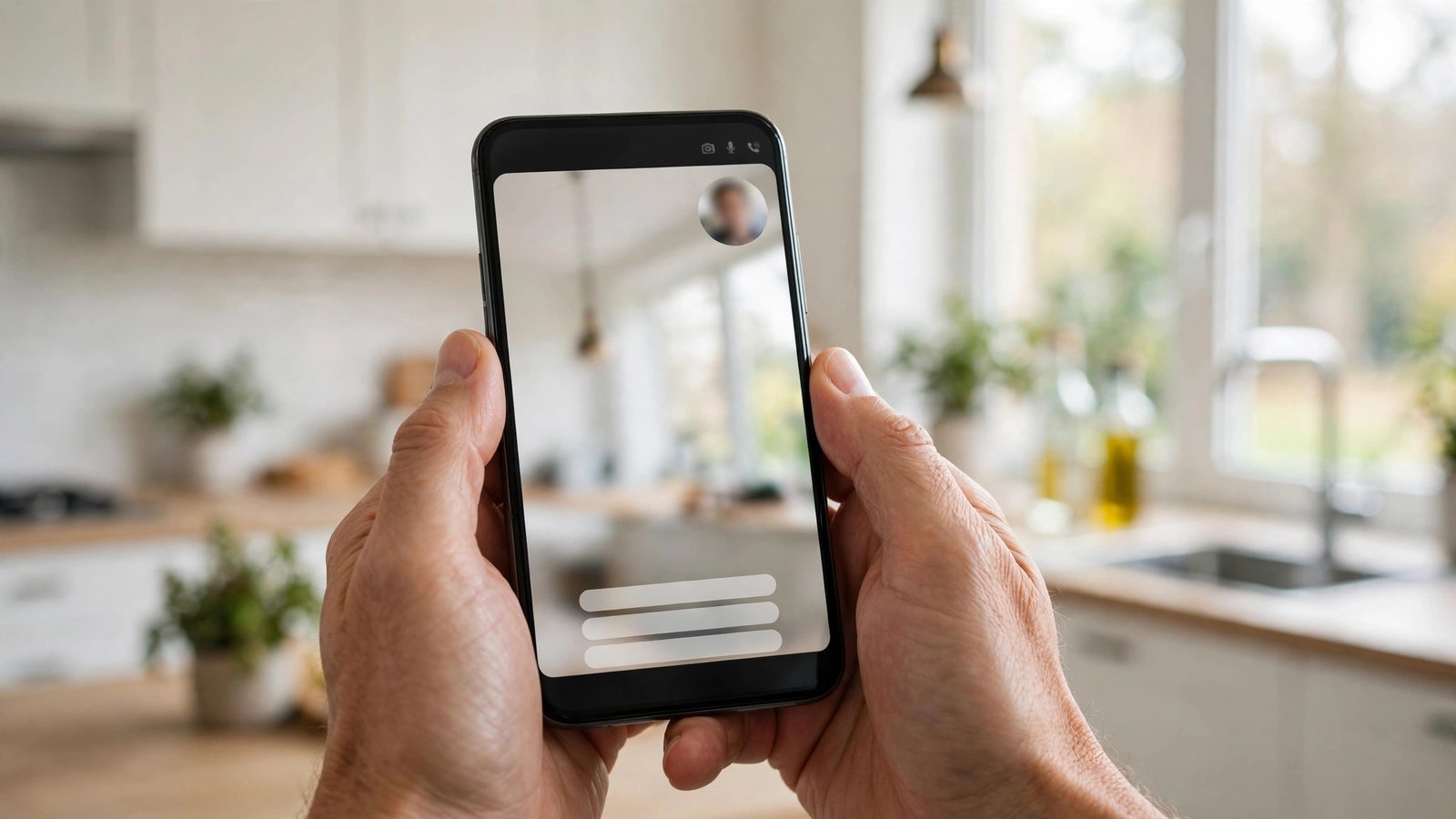
Phone calls used to fill me with dread whenever the speaker on the other end mumbled. Automatic real-time captioning removes that anxiety completely. Android features system-wide Live Caption, while iOS offers Live Captions for FaceTime, standard phone calls, and media playback. The phone transcribes spoken words on the screen in real time using on-device machine learning, which keeps your conversations completely private. For in-person chats at noisy restaurants, the Google Live Transcribe app or Apple Live Listen feature turns your smartphone microphone into a directional hearing tool. Simply point the bottom microphone toward your dining partner to read scrolling text or stream their amplified voice directly to your ears. Testing these real-time transcription tools in daily conversations removes the awkwardness of asking people to repeat themselves. You regain effortless confidence during social dinners and work meetings alike.
Automate Morning Alarms with Tactile Smart Wearables
Waking up to an audible alarm clock rarely works when you sleep without your hearing devices in place. Switching to haptic morning alerts provides a reliable and gentle wake-up routine. Modern smartwatches like the Apple Watch, Garmin Venu, or Samsung Galaxy Watch vibrate firmly against your wrist at your scheduled alarm time. This physical nudge wakes you immediately without disturbing a sleeping partner. For heavy sleepers, standalone vibrating bed shakers like the Bellman & Symfon alarm pad slide under your pillow and shake vigorously. Embracing foolproof daily tech updates for adults with hearing loss means swapping jarring beeps for dependable physical sensations that never fail. You will start your mornings feeling rested rather than startled by blaring sirens you can barely distinguish. It brings predictable peace to your everyday morning routine.
Fine-Tune Public Venue Audio with Auracast and Telecoils
Public spaces present tough acoustics because background chatter and cavernous ceilings swallow speech clarity. Many theaters, worship centers, and municipal buildings offer assistive listening loops that feed directly into devices equipped with a telecoil switch. Switching your hearing aid to the T-coil program cuts out room echo and delivers the presenter microphone feed straight to your ears. The newer Bluetooth Auracast standard builds upon this foundation by letting public venues broadcast crystal clear audio streams directly to modern consumer earbuds and hearing aids. You simply scan an audio QR code or select the broadcast channel in your phone settings. FYI, checking venue websites before attending an event lets you verify whether they support hearing loops or Auracast broadcasts. This single habit eliminates the frustration of sitting through muffled public lectures or performances.
Create a One-Touch Evening Charging Routine
Dead batteries halfway through a busy afternoon ruin even the most carefully planned day. Establishing an organized nighttime charging ritual protects your equipment and ensures full battery life every single morning. Place your charging dock and electronic drying station on your bedside table or desk. Storing hearing devices inside an active electronic dehumidifier like the PerfectDry Lux overnight removes trapped ear canal moisture that corrodes delicate internal microphones and receivers. If you use disposable zinc-air batteries instead of rechargeables, keep a fresh pack inside your wallet alongside a magnetic battery tool. Check your device companion app every evening to confirm battery percentages and firmware update notifications before heading to sleep. Clean contacts on your charger using a dry microfiber cloth once a week to prevent charging failures.
Build a Backup Toolkit for Unexpected Glitches
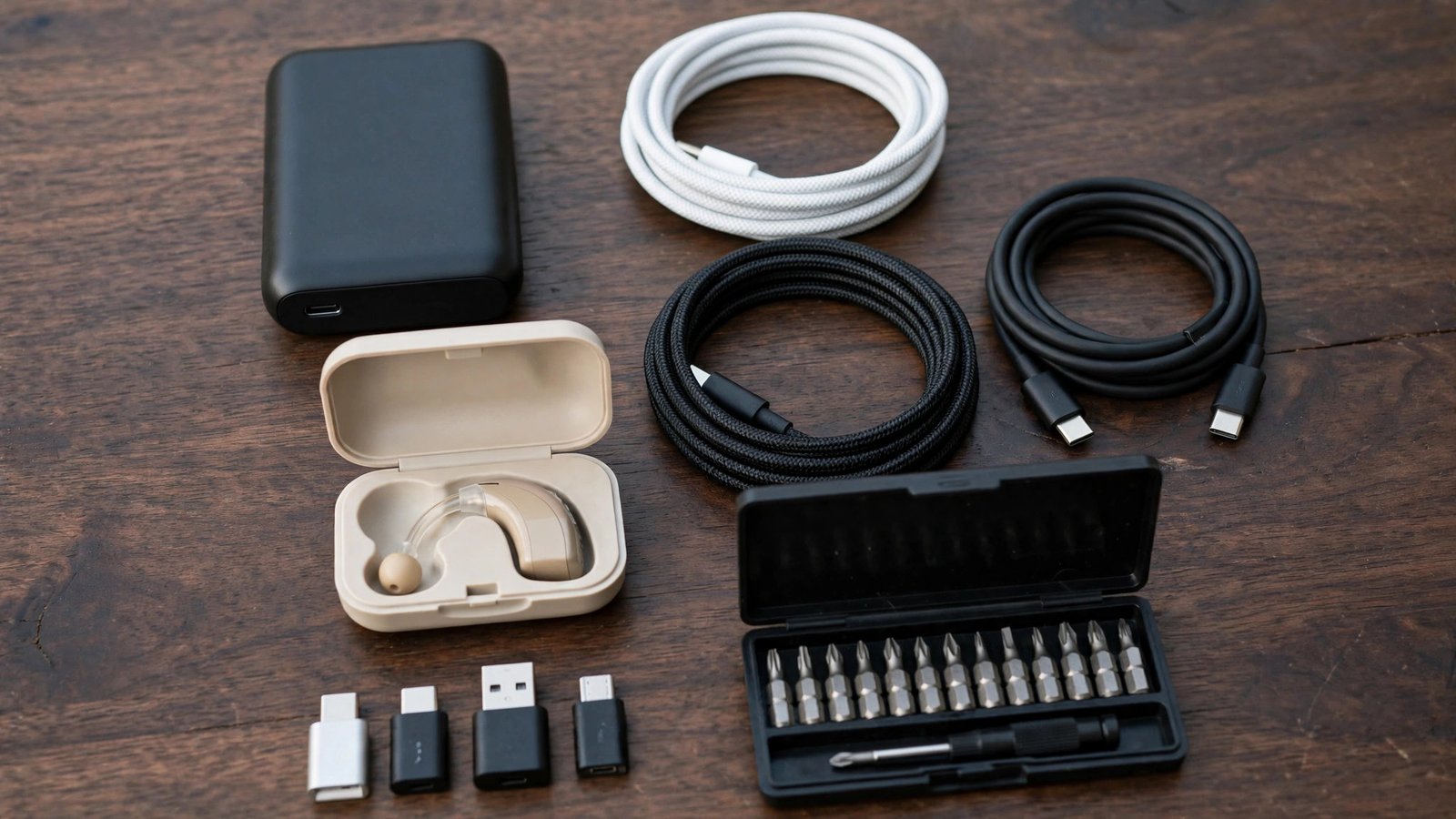
Tech hiccups always strike at the most inconvenient moments, usually when you are away from home. Keeping a compact tech maintenance pouch inside your car or day bag eliminates sudden panic. Pack replacement wax guards, cleaning brushes with magnetic tips, a compact power bank, and a basic headphone jack adapter. A clogged wax filter causes over eighty percent of sudden hearing device volume drops, making a five-second filter change an instant fix. You should also save digital user manuals on your smartphone files app for fast reference when Bluetooth pairing fails. Having a dedicated troubleshooting toolkit on hand keeps you independent, confident, and prepared for any minor technical glitch during your daily travels. Preparedness keeps your communication flow uninterrupted wherever your day takes you.
Frequently Asked Questions
What is the fastest way to get daily tech updates working on an iPhone or Android?
Open your phone settings, select Accessibility, and locate the Hearing section. From there, pair your compatible hearing aids or enable features like Live Caption and Sound Recognition. Adding the Hearing tile to your quick settings or control center gives you instant one-tap access throughout your daily routine.
How can foolproof daily tech updates for adults with hearing loss improve TV watching?
Using dedicated TV streamers or optical transmitters sends clean audio directly into your hearing devices. This setup eliminates room echo and lets you adjust your own volume independently while family members listen at normal speaker levels. Soundbars with voice-boosting technology also make muffled dialogue crisp and easy to follow.
Do I need expensive prescription hearing aids to use these tech features?
No, you can use many modern features with over-the-counter devices or consumer earbuds like Apple AirPods Pro. Many mainstream wireless earbuds now support audiogram uploads, environmental sound amplification, and live speech transcription. Affordable smartphone apps and smart home accessories provide tremendous hearing support without requiring prescription medical hardware.
Will running sound recognition drain my smartphone battery quickly?
Built-in sound recognition runs efficient background processes that use very little daily battery life. Most modern smartphone processors handle audio analysis on-device without significant power consumption. Charging your phone normally overnight provides plenty of juice to run background sound alerts and live captioning throughout your active waking hours.
How do Bluetooth Auracast broadcasts differ from older telecoil systems?
Telecoils rely on physical induction loops installed in venue floors or walls to beam analog audio signals. Auracast uses advanced Bluetooth Low Energy to broadcast pristine digital audio to multiple devices simultaneously. Auracast offers higher stereo sound quality, simpler digital pairing, and broader compatibility across both hearing aids and earbuds.
Conclusion
Technology should always work quietly in the background to keep you connected to the people and moments that matter most. Take ten minutes today to configure one or two of these settings on your phone or television. Which daily tech adjustment made the biggest difference in your hearing routine?